
Quick Answer for Travelers
The optimal time to visit Hanoi is Autumn (September through November), when temperatures range comfortably between 22°C and 28°C (72°F–82°F) under dry blue skies, low humidity, and refreshing northeast breezes. Spring (March through April) is a pleasant secondary window with pleasant temperatures (20°C–26°C), though occasional fine drizzle (Mua Xuan) occurs. Winter (December through February) brings grey skies, dry chills (10°C–15°C), and elevated winter particulate matter (PM2.5), requiring layered clothing and an N95 mask. Summer (May through August) is hot (32°C–38°C) with torrential afternoon storms, but offers the clearest air quality of the year.
Seasonal Overview at a Glance
| Autumn (Sept–Nov) | 22°C–28°C (72°F–82°F) · Low rainfall · Optimal walking weather · Blooming milk flowers |
|---|---|
| Winter (Dec–Feb) | 10°C–17°C (50°F–63°F) · Overcast · High humidity chill · Winter thermal inversion air quality |
| Spring (Mar–Apr) | 20°C–26°C (68°F–79°F) · Moderate humidity · High flower season · Light misty drizzles |
| Summer (May–Aug) | 30°C–38°C (86°F–100°F) · High heat & humidity · Afternoon downpours · Cleanest AQI |
| Cheapest Season | May to August (summer low season for Western travelers; domestic travel peaks in July) |
| Crowded Holidays | Tet Lunar New Year (Jan/Feb); Reunification Day (April 30–May 1); National Day (Sept 2) |
Autumn (September to November): The Golden Season
Ask any lifelong resident of the capital to name their favorite season, and the unanimous response is Mua Thu Ha Noi (Hanoi Autumn). As the southwest summer monsoon recedes in early September, cooler continental air streams across the Gulf of Tonkin. Humidity drops from oppressive mid-eighty percent levels to a crisp sixty percent, and afternoon rain showers become rare. Walking the tree-lined streets of the Old Quarter and the perimeter of Hoan Kiem Lake is an absolute pleasure during these months.
Autumn also carries deep cultural resonance in northern literature and song. Along streets like Nguyen Du and Quang Trung, giant Alstonia scholaris trees bloom with tiny white clusters known as Hoa Sua (Milk Flowers), casting a distinctive sweet fragrance across the evening air. Vendors on street corners sell fresh green young rice flakes wrapped in fragrant lotus leaves (Com Lang Vong), eaten delicately with ripe bananas. For photography, heritage walks, and open-air cafe hopping, this is the premier window of the calendar year.
Winter (December to February): The Continental Chill
Many travelers pack only tropical resort clothing for Vietnam, assuming the entire country is perpetually tropical. Hanoi, however, lies at 21 degrees north latitude and experiences a true humid subtropical winter governed by the polar Northeast Monsoon. Daytime temperatures hover between 12°C and 16°C (54°F–61°F), occasionally plunging to single digits overnight.
What surprises visitors is the physical sensation of the cold. Because northern humidity remains high (often 80% to 90%) and French colonial or traditional tube houses lack central thermal insulation or indoor heating, the cold seeps deep into interior spaces. Sitting on outdoor plastic stools enjoying a steaming bowl of Pho Bo or hot Egg Coffee takes on wonderful comfort-food meaning in winter, but you will definitely need a medium-weight fleece jacket, long trousers, and a windbreaker.
Spring (March to April): Blossoms and the "Mua Phuon" Mists
Spring marks Hanoi's botanical awakening. Daytime temperatures rise comfortably into the low twenties Celsius. In gardens around West Lake and the Red River banks, peach trees and pomelo groves burst into fragrant white and pink blossoms. It is a fantastic period for visiting suburban craft hubs like Bat Trang Ceramic Village.
Travelers should note the unique meteorological phenomenon known locally as Mua Xuan or Nom (spring humidity). In late March, warm moist oceanic air collides with lingering cold ground temperatures, creating fine misty drizzles that settle like aerosol over the streets. While rarely heavy enough to require a raincoat, the damp air condenses on marble floors and tiled entryways, making sidewalks slippery. Pack water-resistant walking shoes with reliable rubber tread.
Summer (May to August): Tropical Heat and Torrential Storms
Hanoi summers are intense, tropical, and alive. Daytime highs frequently climb above 36°C (97°F), with the urban heat island effect pushing surface temperatures higher among asphalt boulevards. Sightseeing is best structured in two phases: explore outdoors between 06:00 and 09:30 AM before the heat intensifies, spend midday inside air-conditioned museums or shaded heritage cafes, and re-emerge after 17:30 as the sun dips below the horizon.
Summer is also the season of dramatic afternoon downpours (Mua Rao). Dark thunderheads gather rapidly over Ba Vi mountain to the west, unleashing 45 minutes of torrential rainfall that washes the city streets clean before clearing to luminous golden evening skies. Because summer rains wash atmospheric aerosols away, summer offers the cleanest air quality and most vivid sunsets of the entire year.
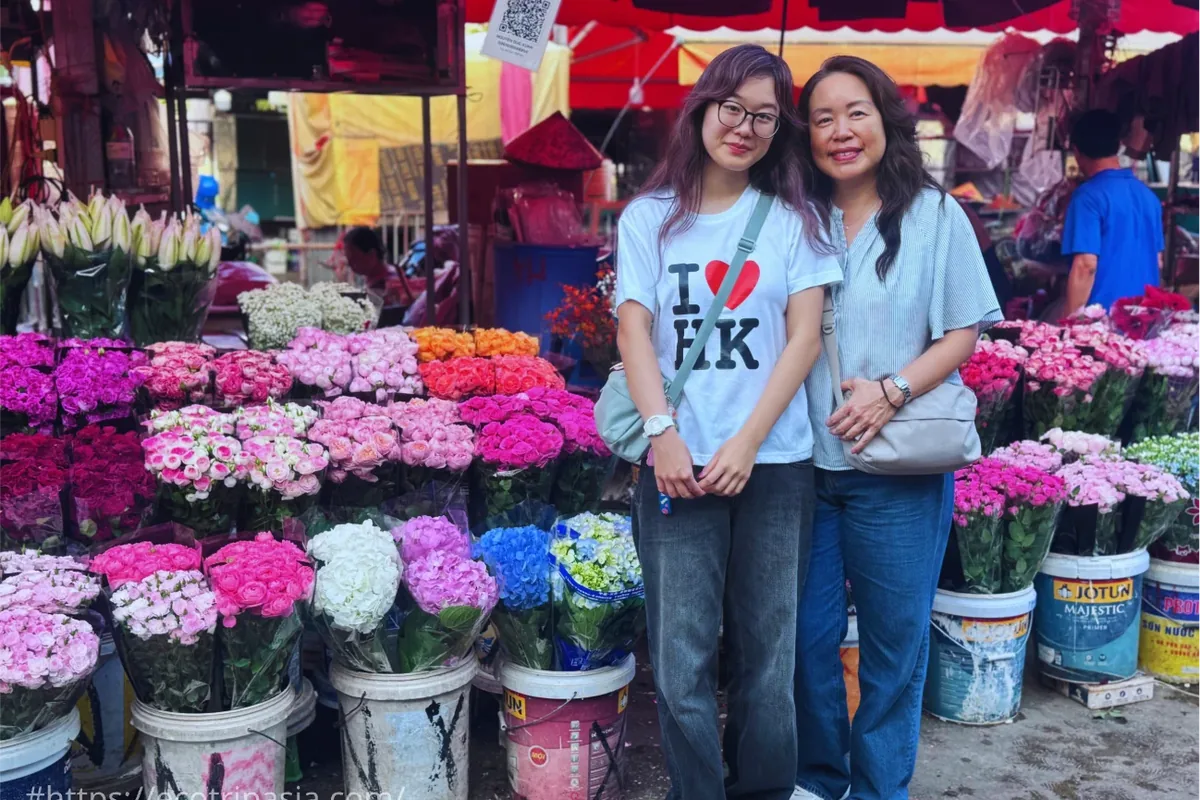
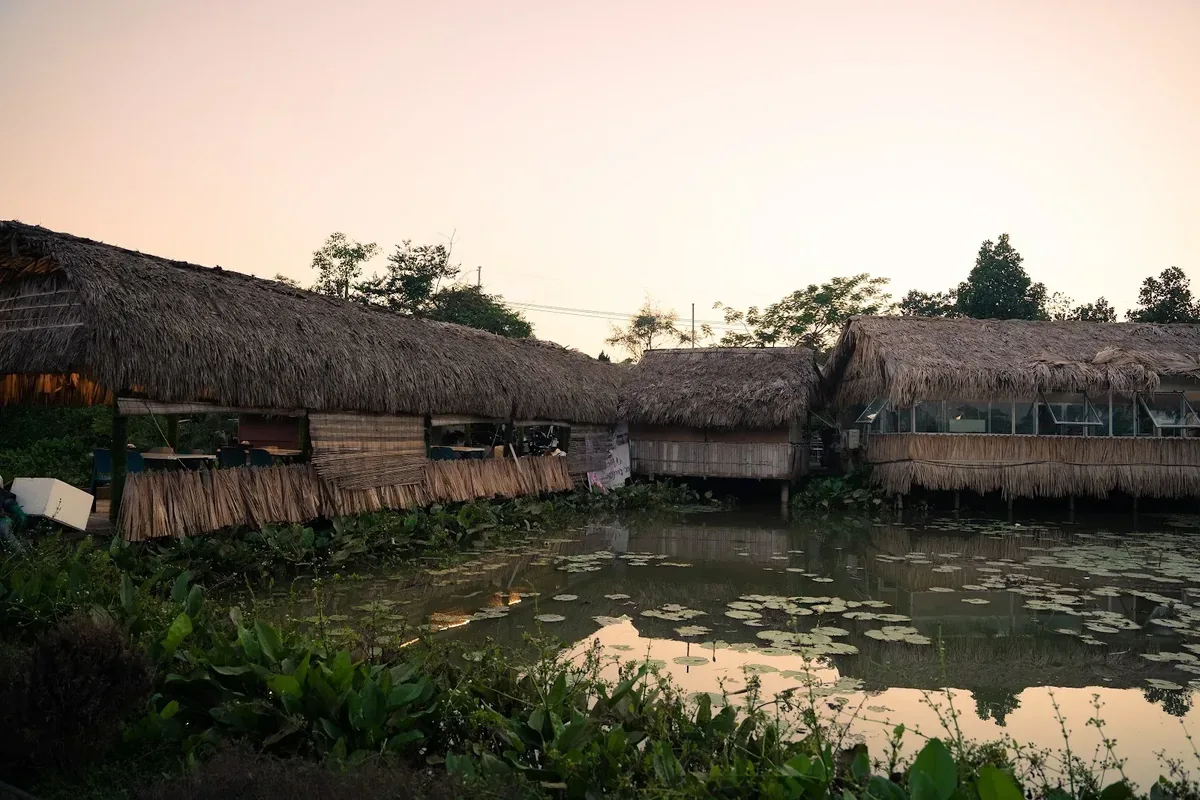
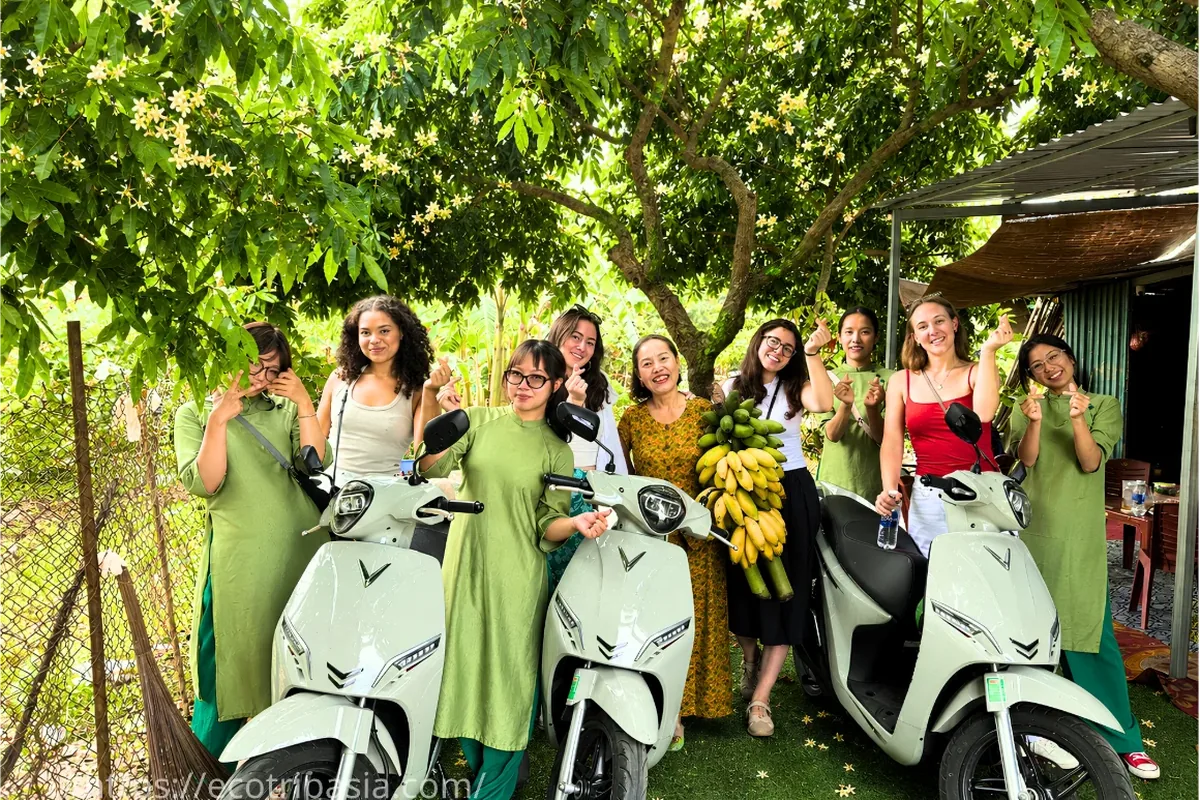
Photographic Gallery: Hanoi's Changing Weather Moods
Understanding Hanoi Air Quality (AQI Patterns)
Hanoi's geographical location within an inland river basin enclosed by mountain ranges to the west and north influences its seasonal air quality:
- The Summer Clean Window (May–September): Prevailing maritime monsoon winds and heavy afternoon rains continually scrub particulate matter from the atmosphere. Average AQI readings during summer remain in the "Good" to "Moderate" range (AQI 35–85).
- The Winter Inversion Cycle (Late November–February): During calm winter cold snaps, a meteorological phenomenon called a thermal temperature inversion traps cooler air and urban vehicle emissions beneath a warm atmospheric blanket close to ground level. AQI readings can spike into the "Unhealthy" tier (AQI 150–220) during still morning hours.
- Health Advice for Travelers: Download a reliable air monitoring app (such as AirVisual or PAM Air). If traveling between December and February, pack well-fitted N95 or KF94 respirator masks for outdoor walking along heavy traffic corridors like Ring Road 2 or Dai Co Viet. In indoor cafes and hotels, air quality is typically well-filtered.
The Tet Holiday Warning: Vietnam's Lunar New Year (Tet) occurs between late January and mid-February. While Hanoi's streets become remarkably quiet and uncrowded during Tet, roughly 70% of family-owned street food stalls and markets close for four to five days so workers can visit ancestral villages. If you are in Hanoi during Tet, book hotels with operating dining rooms and secure guided excursions in advance.
Tour Hanoi in Any Weather with Eco Trip Asia
Whether cruising open-air on crisp autumn mornings or protected from summer rains in vintage covered army jeeps, our licensed guides tailor daily routes to local weather conditions and seasonal cultural highlights.
All tours operated directly by Vietnam Green Travel Co., Ltd (Licence 01-3022/2025/CDLQGVN-GP LHQT). Transparent flat pricing with zero booking markups.
Frequently Asked Questions About Hanoi Weather & Seasons
Which month is the absolute best time to visit Hanoi?
October and November represent the absolute peak months to visit Hanoi. Daytime temperatures average a comfortable 22°C to 28°C (72°F–82°F) with low humidity, clear blue skies, minimal rainfall, and cool breezes.
Does it get cold during Hanoi winter?
Yes. From December through February, northeast monsoon winds push cold continental air into northern Vietnam, dropping temperatures to 10°C to 15°C (50°F–59°F). Due to high indoor humidity (85%+) and a lack of central heating in historic buildings, it feels significantly colder than the thermometer indicates.
When is the rainy season in Hanoi?
Hanoi's wet season extends from late May through August, characterized by hot humid weather (32°C–38°C) and sudden torrential afternoon downpours that typically last 30 to 60 minutes before clearing.
How is the air quality (AQI) in Hanoi throughout the year?
Air quality is best from May to September due to regular rains and maritime winds dispersing particulate matter. From late November through February, winter thermal inversions trap surface dust, leading to elevated PM2.5 levels. Sensitive travelers should pack N95/KF94 masks during winter months.
Should you visit Hanoi during the Tet Lunar New Year holiday?
Tet (usually late January or early February) offers quiet streets and blooming peach blossoms around Hoan Kiem Lake, but many independent family restaurants and shops close for 4 to 5 days. If visiting during Tet, confirm hotel dining and book guided activities in advance.
Practical Resources for Planning Your Hanoi Trip
Complement your seasonal timing with these logistics guides: