Quick Answer for Travelers
Hanoi Pho Bo (Northern Beef Noodle Soup) is Vietnam's national culinary masterpiece, born in the Red River Delta in the early 1900s. Unlike southern Vietnamese pho, the northern capital's version is defined by minimalism: a clear, deeply aromatic broth simmered 10 to 12 hours from beef marrow bones and charred ginger without sugar, cloves, or bean sprouts. Diners customize their bowl with pickled garlic vinegar (giam toi), fresh sliced bird's eye chilies, and crispy fried dough sticks (quay). Classic bowls cost 50,000–85,000 VND at historic institutions such as Pho Bat Dan, Pho 10 Ly Quoc Su, and Pho Thin Bo Ho.
Fast Facts at a Glance
| Regional Origin | Northern Vietnam (Nam Dinh textile mills and Hanoi Old Quarter street vendors, c. 1900–1910) |
|---|---|
| Broth Profile | Clear, clean, golden-amber bone broth; marrow richness balanced by charred ginger, shallots, and star anise |
| Standard Pricing | 50,000–85,000 VND ($2.00–$3.40 USD) per bowl; extra crullers (quay) 10,000 VND |
| When to Eat | Traditional breakfast from 06:30 to 09:00 AM; also served as comfort food late into the night |
| Dietary Profile | Dairy-free, nut-free; contains beef and fish sauce; rice noodles are naturally gluten-free |
| Key Condiments | Garlic vinegar (giam toi), fresh red chili, lime or calamansi wedges, fried crullers (quay) |
The Story: The Convergence of French Butchery and Vietnamese Broth
The birth of Pho Bo is an extraordinary study in cultural and economic culinary adaptation. For centuries in feudal agrarian Vietnam, water buffalo and cattle were valued as indispensable agricultural draft animals; slaughtering cattle for meat was heavily restricted by royal decree. At the turn of the 20th century, French colonial administrators, military garrisons, and railway engineers settled in Hanoi, creating an unprecedented commercial demand for beef steaks and roasts. French butchers discarded massive quantities of beef marrow bones, shanks, and fibrous brisket cuts that French recipes neglected.
Resourceful Vietnamese street vendors from Nam Dinh province and the guild streets of the Hanoi Old Quarter acquired these surplus beef bones cheaply. Marrying traditional Chinese Cantonese beef noodle soup concepts (such as ngau yuk phan) with northern Vietnamese rice vermicelli noodle traditions, they developed a slow-simmered herbal broth infused with indigenous aromatics: charred fresh ginger, roasted shallots, star anise, black cardamom pods (thao qua), and Saigon cinnamon. Carried through Hanoi's pre-dawn alleyways by itinerant street cooks on shoulder poles (ganh pho)—with a charcoal brazier keeping the copper broth caldron boiling on one end and noodles, bowls, and condiments counterbalanced on the other—Pho Bo quickly became the working person's staple breakfast.
What Makes Northern Hanoi Pho Unique?
Travelers familiar with Vietnamese noodle soup from overseas or southern Vietnam are often surprised by the austere simplicity of northern Hanoi pho. Understanding these regional distinctions enhances your appreciation:
- The Broth Integrity: Northern cooks do not add rock sugar, sweet hoisin sauce, or overpowering cloves to the stockpot. The sweetness derives solely from the natural breakdown of marrow, bone collagen, and roasted shallots over eight to twelve hours of continuous gentle simmering. The resulting broth is amber, crystalline, and delicately savory.
- The Rice Noodle (Banh Pho): Hanoi pho utilizes wider, flatter freshly extruded rice noodles made without tapioca starch. They possess a tender, silky texture that absorbs hot broth immediately upon contact.
- The Condiments: In Hanoi, you will never find bean sprouts, fresh basil, or sweet brown hoisin sauce on the table. Instead, acidity is introduced through Giam Toi (garlic cloves steeped in white rice vinegar) or freshly cut lime wedges, while heat comes from thin slices of raw red bird's eye chili or homemade fermented chili sauce.
- The Crispy Cruller (Quay): A plate of golden, hollow fried yeast dough crullers sits on every authentic table. Tearing them into hot soup to absorb the marrow essence is an essential northern dining ritual.
Mastering the Menu: Essential Beef Cuts
When you arrive at an authentic Hanoi pho stall, you will see the master cook working behind a glass counter stacked with cuts of boiled beef. Use these terms to order exactly what you want:
- Pho Tai: Thinly sliced raw beef steak (usually eye of round or tenderloin). The cook arranges raw beef directly atop the cold noodles, then ladles rolling boiling broth over the bowl, gently poaching the meat to medium-rare tenderness.
- Pho Chin: Well-done beef brisket, flank, or shank that has simmered slowly inside the stockpot for hours. Tender, thinly sliced, and deeply infused with aromatic star anise notes.
- Pho Tai Chin: The universal favorite order: a balanced combination of tender well-done brisket and succulent rare poached beef.
- Pho Gau: Fatty brisket cut with a distinct golden ribbon of crunchy, gelatinous fat along the rim. Highly prized by local connoisseurs for its rich mouthfeel.
- Pho Nam: Flank meat marbled with thin layers of tendon and meat, offering a satisfying chew.
- Pho Sot Vang: Beef flank braised with red wine, tomato, star anise, and fresh ginger, resulting in a rich, reddish-orange stew ladled over pho noodles.
Where to Eat Authentic Pho Bo in Hanoi (Verified Real Stalls)
These verified institutions have served Hanoi residents for decades. They do not accept advertising money or commissions:
1. Pho Gia Truyen Bat Dan
Address: 49 Bat Dan Street, Cua Dong, Hoan Kiem District
Opening Hours: 06:00–10:00 & 18:00–20:30 daily
Price: 55,000–85,000 VND ($2.20–$3.40 USD)
Specialty: Historic self-service institution where diners queue along Bat Dan street. Famous for hand-carved beef and clean, crystalline marrow broth.
2. Pho 10 Ly Quoc Su
Address: 10 Ly Quoc Su Street, Hang Trong, Hoan Kiem District
Opening Hours: 06:00–22:00 daily
Price: 60,000–90,000 VND ($2.40–$3.60 USD)
Specialty: Consistent, rich broth near St. Joseph's Cathedral. Air-conditioned seating with immaculate hygiene and exceptionally tender Tai Chin.
3. Pho Thin Bo Ho
Address: 61 Dinh Tien Hoang Street, Hoan Kiem District (in the alleyway facing the lake)
Opening Hours: 06:00–13:00 & 17:00–22:00 daily
Price: 50,000–70,000 VND ($2.00–$2.80 USD)
Specialty: Founded in 1955 overlooking Hoan Kiem Lake. Known for delicate clear broth with minced ginger and light peppery scallion oils.
4. Pho Bo Khoi Hoi
Address: 50C Hang Vai Street, Hang Bo, Hoan Kiem District
Opening Hours: 06:00–11:30 daily
Price: 55,000–80,000 VND ($2.20–$3.20 USD)
Specialty: Famed for premium specialty beef cuts: crunchy tendon (gan), fatty brisket (gau gion), and marrow balls.
5. Pho Suong
Address: 24B Trung Yen Lane, Dinh Liet Street, Hoan Kiem District
Opening Hours: 05:30–11:00 & 16:30–21:30 daily
Price: 55,000–75,000 VND ($2.20–$3.00 USD)
Specialty: Tucked into a narrow residential alleyway in the Old Quarter. Broth is distinctly sweet from marrow bones, served with finely minced fresh cilantro.
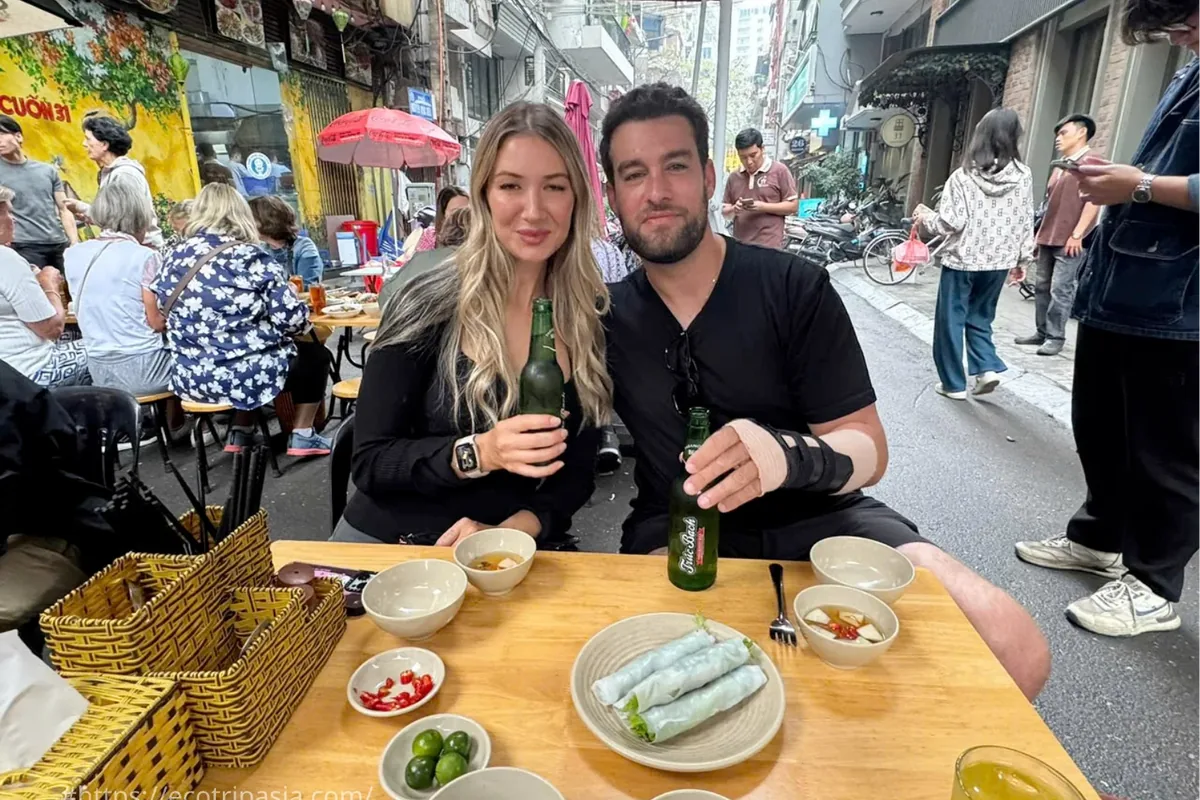
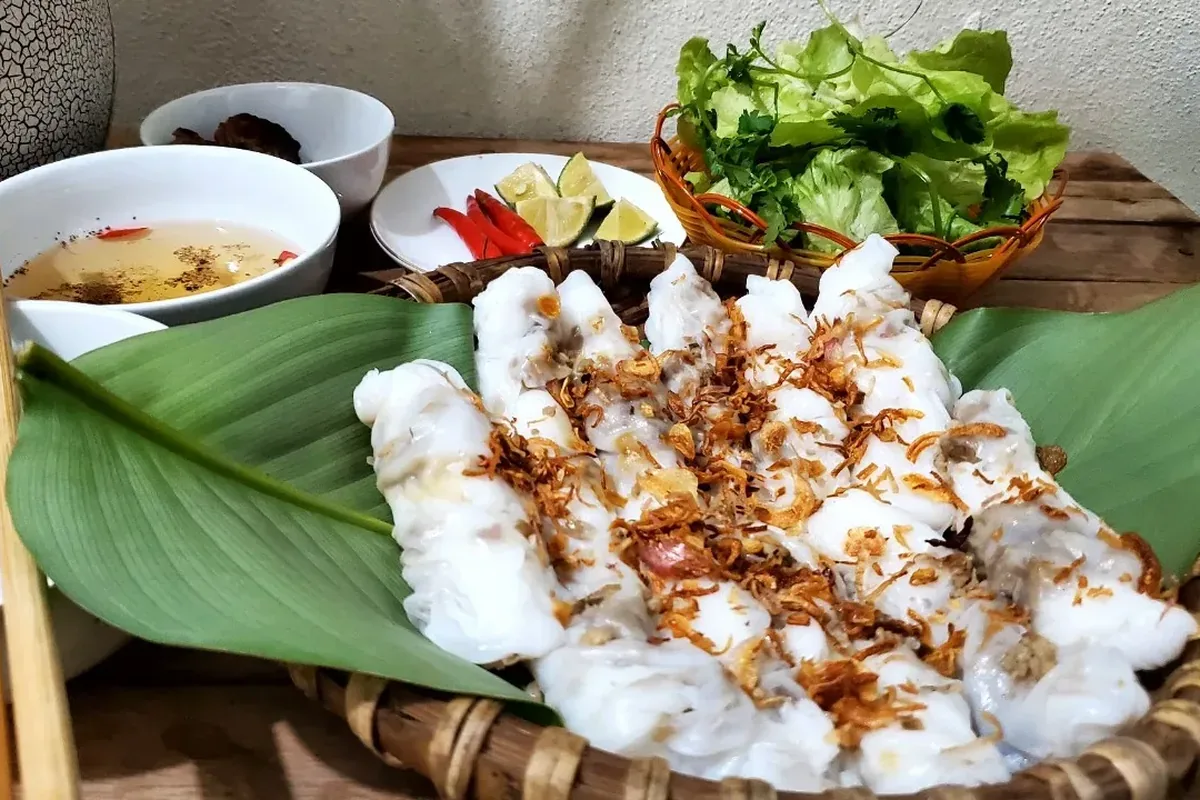
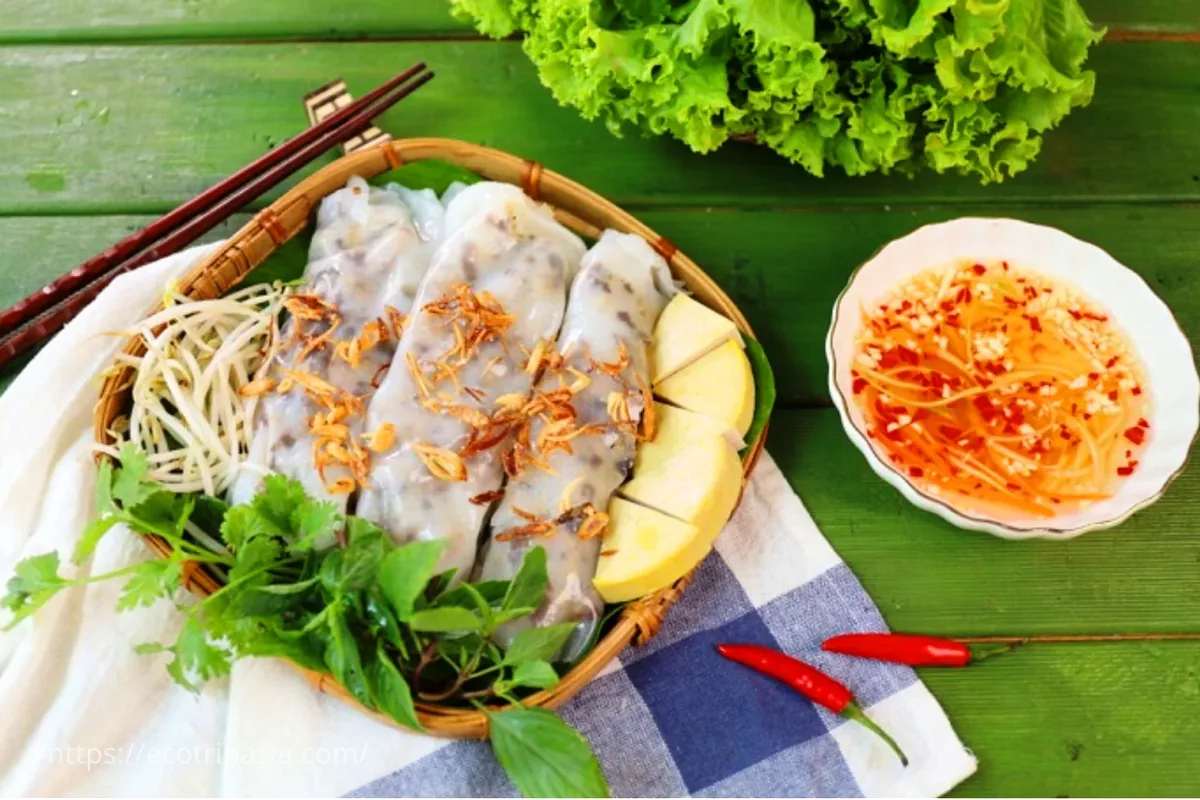
Photographic Gallery: The Anatomy of a Perfect Bowl
Etiquette: How to Eat Pho Bo Like a Hanoian
Follow these steps to enjoy your bowl with local respect and maximum flavor:
- Taste the Unaltered Broth First: Before adding condiments, take a spoonful of broth directly from the center of the bowl. Appreciate the pure marrow depth and subtle char notes.
- Add Acid and Heat Incrementally: Add two or three slices of fresh red chili and one teaspoon of pickled garlic vinegar (or squeeze half a lime). Gently fold the ingredients with your chopsticks so the heat spreads evenly.
- Do Not Dump Hoisin Sauce: Authentic Hanoi broth is already balanced. Squirting thick sweet hoisin sauce directly into the bowl masks the nuance of the bone stock. If you enjoy hoisin or chili paste, place a small dollop into a separate condiment dish to dip beef slices individually.
- Tear and Submerge Your Quay: Break a fried cruller in half and submerge it for twenty seconds until soft on the outside yet slightly crisp within.
- Sip from the Spoon or Bowl: Alternate between lifting noodles with chopsticks and sipping broth from your soup spoon. At the end, it is completely acceptable to pick up the bowl with both hands to drink the remaining broth.
The Morning Marrow Advantage: The finest time to eat beef pho in Hanoi is between 06:45 and 08:00 AM. At this hour, the stockpots have completed their overnight 10-hour simmer, the broth is at its absolute clearest and most fragrant, and the fresh morning noodle deliveries have just arrived warm from local presses.
Taste Hanoi's Secret Street Food Stalls
Eco Trip Asia's culinary food tours guide you into historic back-alley kitchens and multi-generational soup stalls that tourists never find on their own, guided by licensed local food specialists.
All tours operated directly by Vietnam Green Travel Co., Ltd (Licence 01-3022/2025/CDLQGVN-GP LHQT). Transparent flat pricing with zero booking markups.
Frequently Asked Questions About Hanoi Pho Bo
How does northern Hanoi pho differ from southern Saigon pho?
Northern Hanoi pho emphasizes a clear, delicate broth simmered purely from beef marrow bones, charred ginger, and toasted aromatics without rock sugar or MSG sweetness. It is served with wide flat noodles, green onions, and garlic vinegar, strictly omitting bean sprouts, basil, and hoisin sauce.
What are the common beef cuts to order in Hanoi pho?
Common orders include: Tai (thinly sliced rare beef cooked in the steaming broth), Chin (tender well-done brisket/flank), Gau (fatty brisket with a rich, chewy edge), Nam (flank cut with connective tissue), and Sot Vang (red wine-braised beef stew pho).
How much does a bowl of authentic Pho Bo cost in Hanoi?
At reputable neighborhood stalls and historic institutions, a bowl of beef pho ranges between 50,000 and 85,000 VND ($2.00–$3.40 USD) depending on the cut of beef selected. Extra crullers (quay) cost 10,000 VND per plate.
Do you eat pho with chopsticks and spoon?
Hold chopsticks in your dominant hand to gently separate the noodles and beef, and a soup spoon in the other hand. Sip broth directly from the spoon, and alternate with noodles and meat. It is perfectly polite to lift the bowl to your lips at the end.
What are quay (fried dough crullers) and how do you eat them?
Quay (or banh quay) are crispy, hollow deep-fried yeast crullers. Diners tear them into two-inch pieces and submerge them directly into the hot pho broth for 15 to 20 seconds, allowing them to soak up the savory marrow broth like bread in soup.
Pair Your Pho Meal with These Guides
Explore more northern Vietnamese culinary and cultural landmarks:
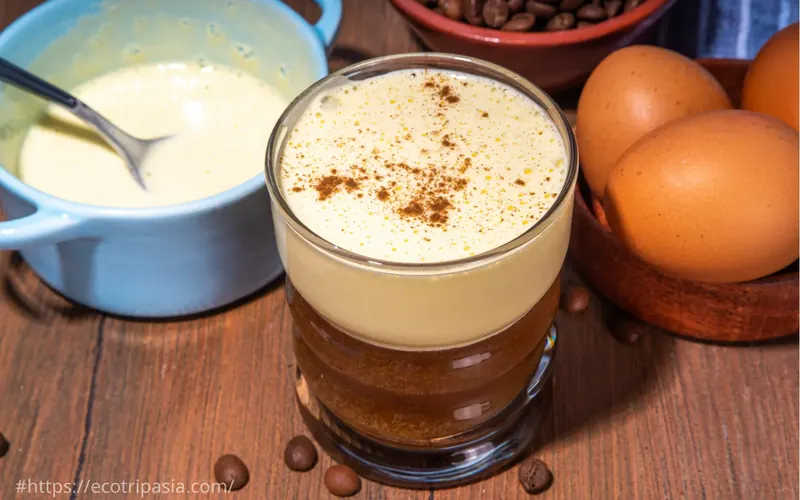
Hanoi Egg Coffee Guide
The perfect post-pho dessert: whipped yolk custard over robust Robusta coffee.
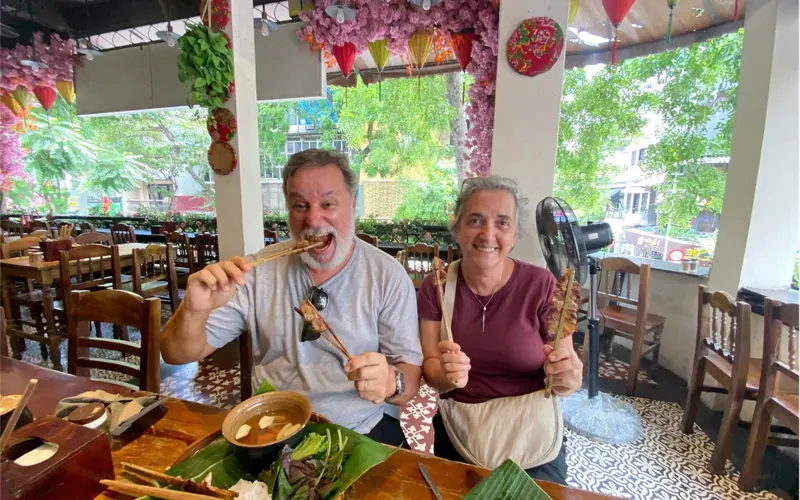
Hanoi Bun Cha Guide
Hanoi's legendary lunchtime noodle dish: charcoal-grilled pork and green papaya broth.
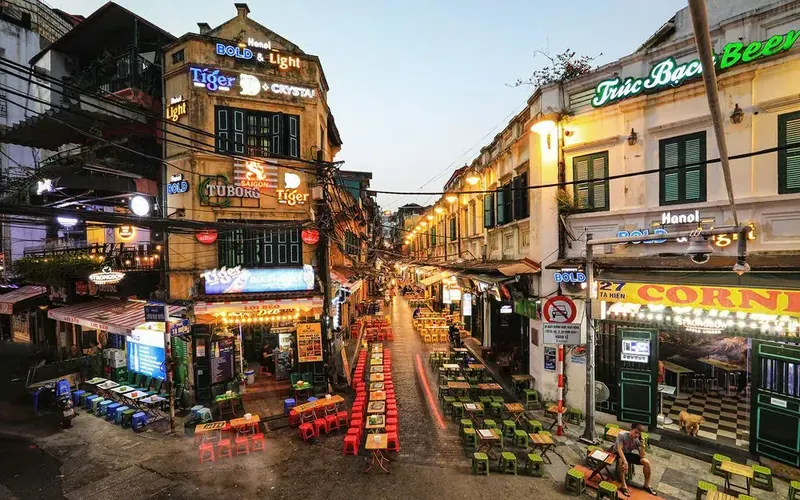
Hanoi Old Quarter
Explore the 36 guild streets where Hanoi's century-old soup kitchens reside.