Quick Answer for Travelers
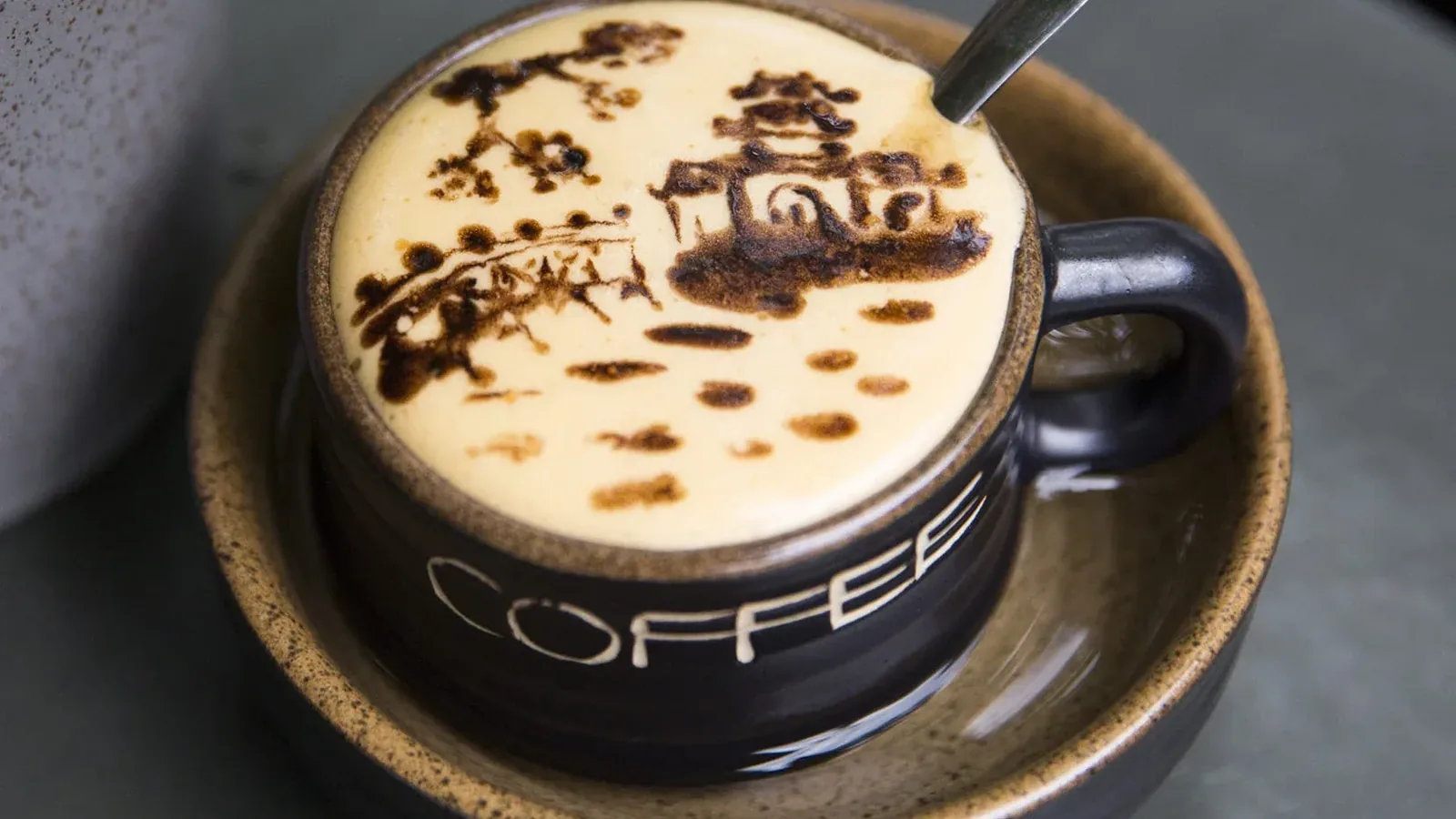
Hanoi Egg Coffee (Ca Phe Trung) is a luscious beverage invented in 1946 by bartender Nguyen Van Giang at the Grand Hotel Metropole. Faced with acute milk shortages during the First Indochina War, he substituted vigorously whisked egg yolks and sweetened condensed milk for dairy milk, creating a velvety, custard-like foam ladled over concentrated black Robusta coffee brewed through a traditional phin filter. It tastes like liquid tiramisu with zero sulfur or raw egg flavor. Served in a cup resting inside a bowl of warm water to preserve temperature, a cup costs 35,000–50,000 VND at historic heritage venues like Cafe Giang (39 Nguyen Huu Huan) and Cafe Dinh (13 Dinh Tien Hoang).
Fast Facts at a Glance
| Historical Origin | Hanoi, 1946 (Created by Nguyen Van Giang at the French-managed Hotel Metropole) |
|---|---|
| Flavor Profile | Rich, velvety, dessert-like; sweet vanilla egg custard balanced by bold, earthy, bitter Robusta coffee |
| Standard Pricing | 35,000–50,000 VND ($1.40–$2.00 USD) at original heritage cafes; up to 75,000 VND at modern lounges |
| Recommended Style | Hot (Ca Phe Trung Nong) resting in a hot water bath is superior for first-time visitors |
| Dietary Profile | Contains egg yolk and dairy (condensed milk); gluten-free, nut-free; high caffeine content |
| Historic Venue | Cafe Giang, 39 Nguyen Huu Huan Street, Ly Thai To Ward, Hoan Kiem District |
The Story: The Metropole Bartender and the 1946 Milk Crisis
The story of Ca Phe Trung is a celebrated chapter in Vietnamese culinary ingenuity. In the aftermath of World War II and the outbreak of the First Indochina War in 1946, French-administered Hanoi suffered severe supply disruptions. Fresh cow's milk and imported canned milk were virtually unobtainable, reserved strictly for colonial officers and military hospitals. At the prestigious Grand Hotel Metropole Hanoi, a gifted Vietnamese head bartender named Nguyen Van Giang faced a daily challenge: European hotel guests persistently demanded French-style cafe au lait or Viennese coffee, but the hotel's larder lacked dairy.
Drawing on pastry techniques, Giang experimented with indigenous ingredients. He separated the yolks of fresh domestic eggs, combined them with a modest ration of sweetened condensed milk, sugar, and a hint of butter, and whipped the mixture furiously by hand with a wire whisk. The friction and aeration transformed the dense yolks into a pale, buoyant, glossy foam. When ladled gently atop hot, concentrated Vietnamese Robusta coffee, the sweet foam floated perfectly on the dense coffee base, insulating the hot liquid beneath.
The drink was an immediate sensation among both French patrons and Vietnamese intellectuals. Encouraged by its success, Giang resigned from the Metropole later that year to establish his own independent cafe in the Old Quarter: Cafe Giang. Over the subsequent eight decades, three generations of the Nguyen family have preserved and refined the original recipe, transforming egg coffee from an improvised wartime substitute into Hanoi's most iconic beverage.
The Recipe & Food Chemistry: Why It Does Not Taste Egg-Like
Foreign travelers are frequently hesitant to order egg coffee, fearing a raw, sulfuric, or unpleasantly egg-heavy aftertaste. In reality, sound food chemistry prevents this entirely:
- The Aeration Emulsion: Whisking egg yolks with sugar and condensed milk for four to six minutes mechanically denatures the yolk proteins, forming a stable microscopic air-and-fat emulsion similar to French sabayon or Italian zabaglione. The sulfur compounds responsible for the characteristic smell of cooked eggs are bound and neutralized by sugar and dairy fats.
- Thermal Setting: Pouring freshly brewed, near-boiling Robusta coffee (typically 90°C to 95°C) beneath the foam gently heats the lower layer of custard, pasteurizing the yolks without scrambling them.
- The Bain-Marie Bath: Authentic establishments always serve hot egg coffee in a small ceramic cup resting inside a wider ceramic bowl filled with steaming hot water. This hot water jacket maintains the serving temperature at approximately 65°C, ensuring the foam stays silky rather than separating into liquid fat and foam.
Where to Drink Authentic Egg Coffee in Hanoi (Verified Real Cafes)
While hundreds of cafes across Hanoi now offer egg coffee, these four verified historic venues remain the gold standard:
1. Cafe Giang (The Original 1946 Birthplace)
Address: 39 Nguyen Huu Huan Street, Ly Thai To, Hoan Kiem District
Opening Hours: 07:00–22:00 daily
Price: 35,000–40,000 VND ($1.40–$1.60 USD)
Specialty: Run by the founder's direct descendants. Thick, luxurious foam with a secret family formulation that incorporates notes of butter and cheese. Enter through the narrow ground-floor corridor to the skylit second-floor courtyard.
2. Cafe Dinh
Address: 13 Dinh Tien Hoang Street, Hang Trong, Hoan Kiem District (2nd floor, alley entrance)
Opening Hours: 07:00–21:30 daily
Price: 30,000–35,000 VND ($1.20–$1.40 USD)
Specialty: Founded by Mrs. Bich, the daughter of Mr. Giang. Perched on the second floor of a rustic French colonial townhouse with a balcony looking directly over Hoan Kiem Lake. Broth-dark coffee with an intensely cocoa-tinged foam finish.
3. Cafe Lam
Address: 60 Nguyen Huu Huan Street, Ly Thai To, Hoan Kiem District
Opening Hours: 06:30–22:30 daily
Price: 35,000–45,000 VND ($1.40–$1.80 USD)
Specialty: Historic 1950s artists' cafe famous for its priceless original oil paintings donated by famous Vietnamese painters who paid for their daily coffee with art. Bold, intensely roasted coffee with a lighter, airy egg foam.
4. Loading T Cafe
Address: 8 Chan Cam Street, Hang Trong, Hoan Kiem District
Opening Hours: 08:00–18:00 daily
Price: 50,000–60,000 VND ($2.00–$2.40 USD)
Specialty: Situated in a stunning distressed 19th-century French mansion. The owner roasts beans with cinnamon bark before brewing, giving their egg coffee a distinctive warm holiday spice fragrance.
Photographic Gallery: The Cafe Culture of Hanoi

Etiquette: How to Drink Ca Phe Trung Correctly
Follow these steps to experience the complete spectrum of flavors:
- Do Not Stir Immediately: When your cup arrives resting in its warm water bowl, do not vigorously mix the foam and coffee together. If you mix it immediately, you destroy the delicate aeration and end up with sweet beige coffee milk.
- Taste the Foam with the Spoon: Use the small dessert spoon to scoop a generous spoonful of warm egg custard directly from the top. Notice the marshmallow-smooth texture and gentle notes of vanilla and condensed milk.
- Drink Through the Foam: Tilt the cup toward your mouth and drink directly from the rim. Let the dark, bitter, chocolatey Robusta coffee flow beneath the sweet foam barrier, allowing both layers to hit your palate simultaneously.
- Gentle Stir Toward the End: When approximately one-third of the coffee remains, you may gently swirl the remaining foam into the dark coffee with your spoon for a rich finale.
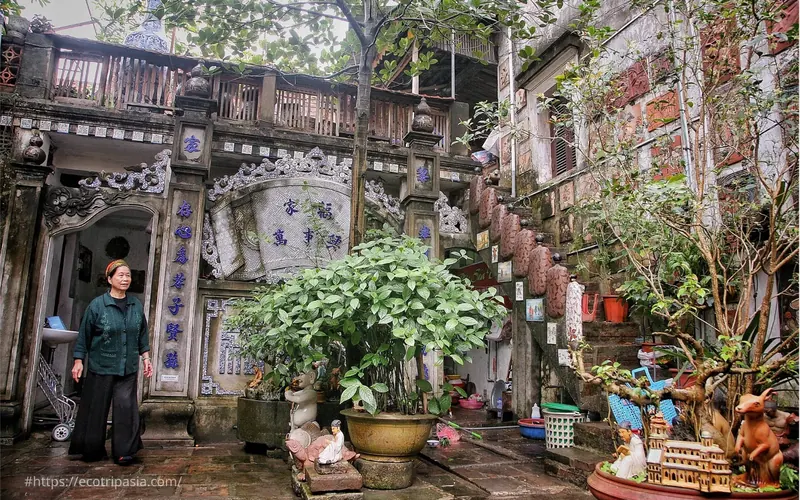
The Hidden Alley Entry: To reach Cafe Dinh at 13 Dinh Tien Hoang, you must walk through a tiny souvenir bag shop, navigate a narrow unlit residential hallway, and climb an ancient stone staircase to the second floor. Do not hesitate; this is typical of Hanoi's residential heritage, where the best family-run businesses hide behind street storefronts.
Explore Hanoi's Hidden Cafe & Food Culture
Eco Trip Asia's licensed guides lead immersive street food walks and open-top army jeep tours that stop at authentic heritage coffee houses, introducing you directly to multi-generational roasters and cafe founders.
All tours operated directly by Vietnam Green Travel Co., Ltd (Licence 01-3022/2025/CDLQGVN-GP LHQT). Transparent flat pricing with zero booking markups.
Frequently Asked Questions About Egg Coffee
Does Hanoi egg coffee taste like raw egg or fishy?
No. When prepared correctly, the egg yolks are whipped with sweetened condensed milk and sugar at high speed for several minutes until they form a thick, meringue-like custard. The intense whipping and the heat of the underlying dark coffee cook the proteins, creating a taste reminiscent of liquid tiramisu or custard dessert.
Who invented egg coffee in Hanoi and when?
Egg coffee was invented in 1946 by Nguyen Van Giang while he was working as a bartender at the luxury Sofitel Legend Metropole Hanoi hotel. Due to severe dairy milk shortages during the First Indochina War, he ingeniously substituted whisked egg yolks for cow's milk.
Should you drink egg coffee hot or iced?
First-time visitors should always order egg coffee hot (Ca Phe Trung Nong). Hot egg coffee is served resting inside a small bowl of hot water, which maintains the velvety emulsion of the egg foam and preserves the rich custard texture.
How much does a cup of authentic egg coffee cost in Hanoi?
At historic heritage cafes like Cafe Giang, Cafe Dinh, or Cafe Lam, a cup of egg coffee costs between 35,000 and 50,000 VND ($1.40–$2.00 USD). Tourist-oriented commercial cafes may charge 60,000 to 75,000 VND.
How do you properly drink egg coffee?
Use the small spoon provided to taste a spoonful of the warm, creamy egg foam directly from the top. Then, gently tilt the cup to let the dark, bitter Robusta coffee below pierce through the sweet foam, creating a contrast of temperatures and flavors.
More Culinary & Landmark Experiences Nearby
Pair your coffee break with these iconic Hanoi destinations: